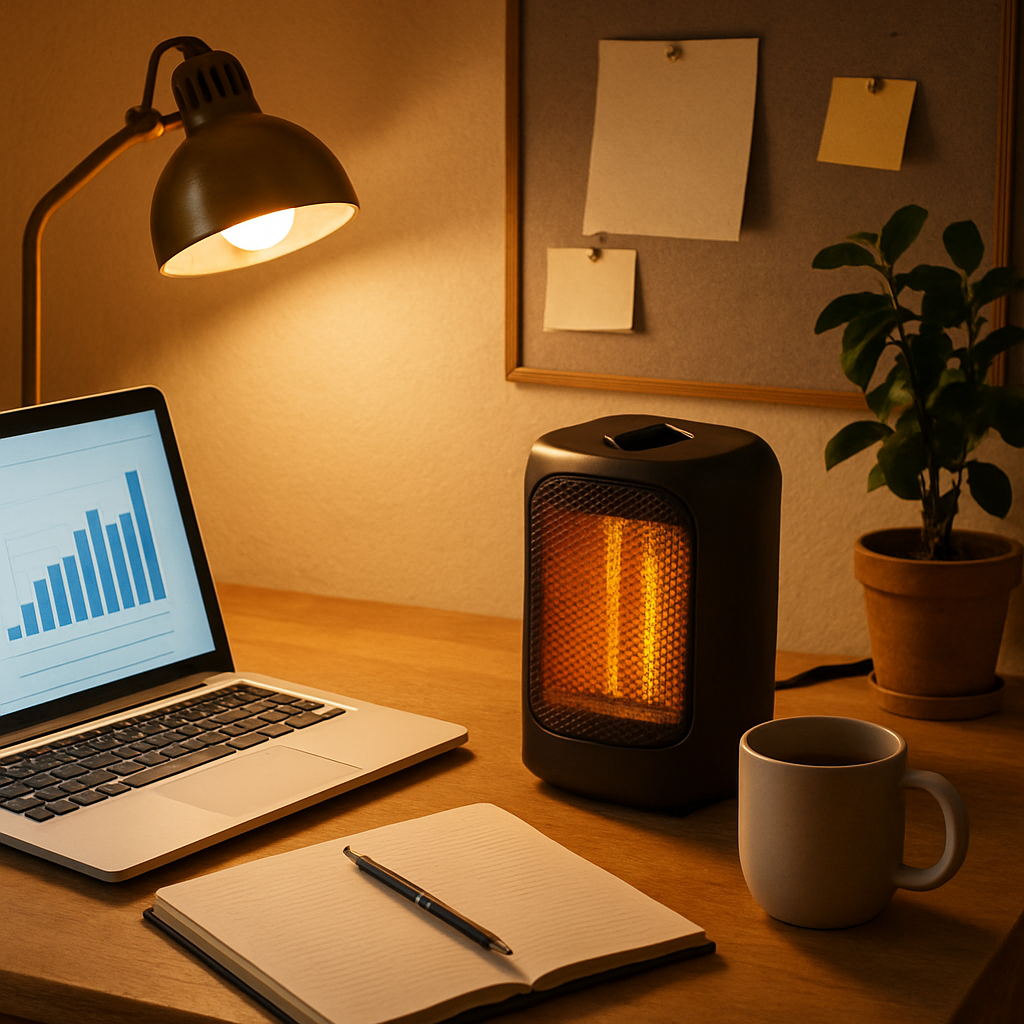
Power Draw for portable heaters
Power Draw is one of the practical details that separates a useful workspace heater from a risky or distracting one. The goal is focused warmth, predictable controls, and safe placement during normal work.
This supporting page links back to the main portable heater workspace guide and gives one top path to the LeStallion product shortlist for best portable heaters for cold workspaces.
Before comparing products, check the manual, outlet location, desk clutter, and the coldest time of day.
Power Draw checklist 2
A portable heater can make a cold workspace usable, but only when it is chosen for the room, the desk, and the safety routine. Warmth should feel steady rather than intense, and the heater should never compete with cables, papers, curtains, pets, or foot traffic.
Start with the actual cold spot. Is it a draft under the desk, a chilly garage office, a basement floor, or a room that warms slowly in the morning? The answer changes the best heater shape, control style, and placement.
Quiet operation also matters. A heater may be technically effective but distracting if the fan tone rises during calls or the thermostat clicks constantly. Good comfort is warm, predictable, and boring.
Power Draw checklist 3
A portable heater can make a cold workspace usable, but only when it is chosen for the room, the desk, and the safety routine. Warmth should feel steady rather than intense, and the heater should never compete with cables, papers, curtains, pets, or foot traffic.
Start with the actual cold spot. Is it a draft under the desk, a chilly garage office, a basement floor, or a room that warms slowly in the morning? The answer changes the best heater shape, control style, and placement.
Quiet operation also matters. A heater may be technically effective but distracting if the fan tone rises during calls or the thermostat clicks constantly. Good comfort is warm, predictable, and boring.
Power Draw checklist 4
A portable heater can make a cold workspace usable, but only when it is chosen for the room, the desk, and the safety routine. Warmth should feel steady rather than intense, and the heater should never compete with cables, papers, curtains, pets, or foot traffic.
Start with the actual cold spot. Is it a draft under the desk, a chilly garage office, a basement floor, or a room that warms slowly in the morning? The answer changes the best heater shape, control style, and placement.
Quiet operation also matters. A heater may be technically effective but distracting if the fan tone rises during calls or the thermostat clicks constantly. Good comfort is warm, predictable, and boring.
Power Draw checklist 5
A portable heater can make a cold workspace usable, but only when it is chosen for the room, the desk, and the safety routine. Warmth should feel steady rather than intense, and the heater should never compete with cables, papers, curtains, pets, or foot traffic.
Start with the actual cold spot. Is it a draft under the desk, a chilly garage office, a basement floor, or a room that warms slowly in the morning? The answer changes the best heater shape, control style, and placement.
Quiet operation also matters. A heater may be technically effective but distracting if the fan tone rises during calls or the thermostat clicks constantly. Good comfort is warm, predictable, and boring.
Power Draw checklist 6
A portable heater can make a cold workspace usable, but only when it is chosen for the room, the desk, and the safety routine. Warmth should feel steady rather than intense, and the heater should never compete with cables, papers, curtains, pets, or foot traffic.
Start with the actual cold spot. Is it a draft under the desk, a chilly garage office, a basement floor, or a room that warms slowly in the morning? The answer changes the best heater shape, control style, and placement.
Quiet operation also matters. A heater may be technically effective but distracting if the fan tone rises during calls or the thermostat clicks constantly. Good comfort is warm, predictable, and boring.
What to watch during real use
The first real test is not maximum warmth. It is whether the heater can run near the desk without creating anxiety. Watch for plug warmth, cable tension, dust smell, rattling fan noise, and whether anyone forgets to turn it off when leaving the room.
Keep the heater visible. Hiding it behind bags, under loose blankets, or near paper stacks defeats the purpose of a careful workspace setup. If it cannot fit safely, choose a different comfort approach.
Good placement should leave walking paths clear and controls easy to reach. If reaching the switch requires bending around cables or rolling a chair over the cord, the setup needs to change.
Small habits that improve comfort
Use the heater to solve the coldest work block, then turn it down. Add socks, a rug, window sealing, a warmer chair surface, or scheduled room heating when possible. Portable heat works best as one part of a comfort system.
Clean dust from the intake and exterior before the season starts. Dust can create odors and reduce efficiency. A quick visual check is easier than troubleshooting smell during a busy morning.
If multiple people share the space, ask about heat and sound before making the setting permanent. Personal warmth should not make the room uncomfortable for others.
Before calling the setup finished
Run the heater through one full cold morning and one full cold afternoon while someone is present. The heater should solve the cold spot without making the outlet hot, pulling the cable tight, or forcing the chair into an awkward position. If the heater needs to sit in a walkway or below dangling fabric, the desk layout is not ready.
Check the surrounding items after thirty minutes. Paper, cardboard, bags, blankets, curtains, and pet beds should stay well away from the heater. The best portable heater for a workspace is the one that has enough empty space around it to be used calmly every day.
Listen for cycling. Some heaters click on and off sharply, while others ramp more smoothly. In a quiet workspace, a smooth thermostat can feel more comfortable than a stronger model with abrupt changes.
Maintenance and seasonal storage
At the end of the season, unplug the heater, let it cool, wipe dust from the exterior, and store it where the cord will not be pinched. Before the next cold season, inspect the plug and cable before use. Any damage, melting, or unusual smell means the heater should not return to the desk.
Keep the manual or a note with the required clearances. Workspace layouts change, and a safe spot in January may become crowded by March. A simple clearance reminder prevents the heater from slowly disappearing behind bags and files.
Portable heat should make work easier, not create another thing to worry about. If the daily routine feels stressful, use room heating, insulation, clothing layers, or a different desk position instead.
Finally, take one photo of the safe layout while it is working well. That reference makes it easier to restore the same clear, calm setup after cleaning the room, moving furniture, or packing the heater away between cold spells.
Related reading
Return to the main guide, compare products on LeStallion, or revisit the previous seasonal comfort guide about USB desk fans.